Empowering Patients: Your Guide to Oncology, Treatment Options, and Survivorship
In the realm of healthcare, navigating oncology can feel like an uphill journey—filled with twists, turns, and emotional valleys. But much like any journey worth taking, knowledge is power, and it is this power that can transform the patient experience from one of trepidation to one of hope. Cancer, with its various forms such as carcinoma and tumors, often comes with a plethora of questions: How do I find the right oncologist? What treatment options are available? How do I manage my health during and after therapy? Understanding these aspects not only informs patients but also empowers them through their unique patient journeys.
Imagine you’re walking into a clinic for your diagnosis. The air is thick with uncertainty as thoughts swirl in your mind—What is this cancer? Will treatment work for me? The truth is, a solid support system and robust patient education can help you take control of your health. The spectrum of oncology encompasses numerous treatment options—chemotherapy, radiation therapy, immunotherapy, and even clinical trials. Each path can lead you toward treatment that might not only combat malignant cells but also enhance your overall wellness. Ask yourself: which option aligns with my lifestyle and health goals?
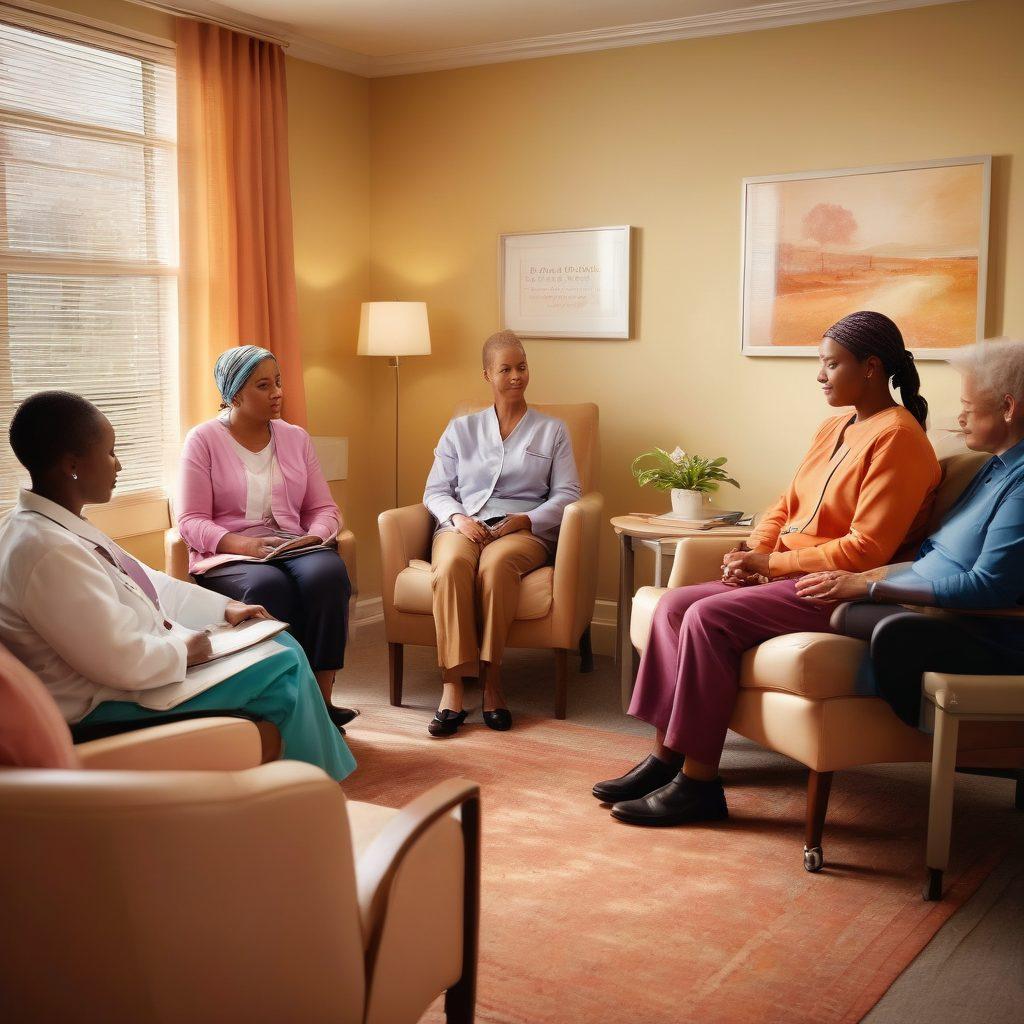
Survivorship isn’t just about conquering the disease; it's about thriving afterward and embracing life. After treatment, many find that participating in support groups can aid in managing the emotional and psychosocial aspects of healing. Why not reach out to fellow survivors? Sharing experiences can lighten the burden and illuminate the path ahead. Support groups, patient advocacy, and community engagement play crucial roles in creating a network of hope and resilience, leading us toward the next chapter in our wellness journey.
When it comes to preventive care, early detection is key. Routine screenings and staying informed through awareness campaigns can drastically shift outcomes. Understanding the symptoms of carcinoma or other cancers not only equips you for early diagnosis but empowers you to advocate for your health. Reflect on this: Would you rather wait for symptoms to appear, or take proactive steps to prevent them? And always remember, your healthcare team—whether they are nurses, oncologists, or nutritionists—are there to support every aspect of your journey, including lifestyle changes and palliative care as needed.
Finally, let’s address the holistic aspect of cancer care—because true wellness is multifaceted. Nutritional support and lifestyle changes can enhance your treatment efficacy and recovery experience. Pair that with clinical research studies that pave the way for new breakthroughs, and you realize that there remain many avenues to explore. Your survivorship story is yours to tell, written by the choices you make and the support you seek. Ready to take that first step toward reclaiming your health? The road may be long, but with knowledge and community by your side, it becomes an empowering journey!
From Diagnosis to Thriving: Empowering Your Journey Through Cancer Care
Navigating the winding road from diagnosis to thriving during cancer care can often feel overwhelming, yet it is a journey of empowerment. Imagine receiving your diagnosis and, in that very moment, being handed a map that guides you through the oncologist’s office, treatment options, and ultimately, to a place of wellness. This medical blog aims to not only provide information but to share stories of courage and hope. How do you feel when you think about your journey through the healthcare system? Does it motivate you to take control?
An oncology journey often starts with a diagnosis that can sound daunting – words like malignant or carcinoma can strike fear in the heart. But remember, the story doesn't end with a diagnosis. It is merely the beginning. What if, instead of focusing on the darkness of that word, you can reframe it as the start of your transformational journey? Awareness campaigns about early detection and screening are helping individuals understand their bodies better, leading to diagnosis through preventive care. Have you ever considered how empowering knowledge can be?
Once diagnosed, patients frequently encounter treatment options that may feel like navigating a maze. Choices like chemotherapy, radiation therapy, and immunotherapy each come with their own sets of challenges and rewards. It is crucial to discuss these treatment options with your oncologist, but also to seek support from community groups and patient advocacy networks. What has been your experience with making treatment decisions? Patients often reflect that talking to someone who has walked a similar path can provide clarity and reassurance, making the entire process feel less daunting.
The journey does not stop at treatment completion; survivorship opens the door to new pathways of living. This stage involves integrating holistic health approaches such as nutritional support and lifestyle changes that can significantly boost your wellness. Engaging in support groups can provide psychosocial support while connecting with others who can relate to your struggles. Have you discovered the power of shared experiences in your cancer journey? Sharing your story, and listening to others, can be cathartic and empowering.
As you continue to thrive post-diagnosis, consider contributing to ongoing research studies or clinical trials. Engaging with the medical community can pave the way for progress and innovation in oncology treatments. Remember, every patient journey is unique; your voice plays a critical role in shaping the future. How will you make your journey count? By embracing your role as an advocate for yourself and others, you're not only thriving but also helping pave the way for future generations of patients.
Patient-Centric Approaches: Exploring Support, Education, and Wellness in Oncology
When facing a cancer diagnosis, the world can feel daunting, bewildering, and often isolating. Patients are suddenly thrust into a complex landscape filled with unfamiliar terms like 'oncologist', 'malignant tumors', and 'chemotherapy'. It’s enough to make anyone feel overwhelmed. That's where patient-centric approaches to oncology come in, offering not just treatment options, but a supportive framework that emphasizes wellness, education, and empowerment. Imagine a healthcare system where the patient is at the heart of every decision, where support groups and holistic health are as paramount as medical therapies. This approach transforms the journey of diagnosis and treatment into a collaborative experience.
The journey through oncology is not merely one of battling cancer; it's about navigating a series of choices that shape one's quality of life. What if, instead of viewing a diagnosis of carcinoma solely as a battle, we could see it as an opportunity for growth and change? Patient education plays a crucial role here. Understanding the intricacies of treatments—be it radiation therapy, chemotherapy, or innovative immunotherapy—enables you to be an active participant in your care. Knowledge is power, and when patients are educated about their treatment options, they empower themselves to make choices that resonate with their values and lifestyles.
Have you ever stopped to think about the role of community support during the cancer journey? Support groups and patient advocacy initiatives serve as lifelines for those affected. Imagine sharing your fears and triumphs with people who truly understand. This sense of belonging can have a profound impact on symptom management, mental wellness, and overall survivorship. As you partake in awareness campaigns or connect with others through community initiatives, you realize that you are not alone in your journey. Together, you can explore lifestyle changes that promote both physical and emotional health, which is crucial during and after treatment.
But the support doesn’t end there. Imagine integrating nutritional support and psychosocial care into your treatment plan. Holistic health approaches recognize that emotional and physical wellness are interlinked, especially in oncology. Research studies continually emphasize the importance of palliative care and comprehensive support for patients and their families. As you engage with nursing care that is empathetic and tailored to your needs, it becomes evident that every aspect of your health is being cherished and nurtured. This compassionate care is not just about managing a malignant tumor; it's about enriching your entire patient journey.
As we redefine survivorship, it’s essential to embrace the notion of empowering patients in oncology. From preventive care and early detection to participating in clinical trials, every choice matters. The journey doesn’t have to end once treatment concludes; instead, it can flourish into a new chapter of healing and growth. By prioritizing patient-centric approaches, we not only foster an environment that uplifts individuals but also cultivate a culture rooted in empowerment. Ask yourself: How can you leverage these resources to advocate for your well-being? Your oncology journey is uniquely yours, and it deserves to be navigated with knowledge, support, and a focus on holistic wellness.